
When preparing a home for sale, most sellers focus on what buyers will see: furniture placement, lighting, color, décor and curb appeal. But buyers experience a home with more than their eyes.
Scent can influence how a space feels from the moment someone walks through the door.
The National Association of REALTORS® recently highlighted the idea of using “scent zones” when preparing a home for buyers. Rather than filling an entire house with one noticeable fragrance, the concept is to use subtle, intentional scents that complement individual spaces.
For Sacramento sellers, it’s another reminder that successful home staging is about creating an experience—not simply making a property look beautiful.
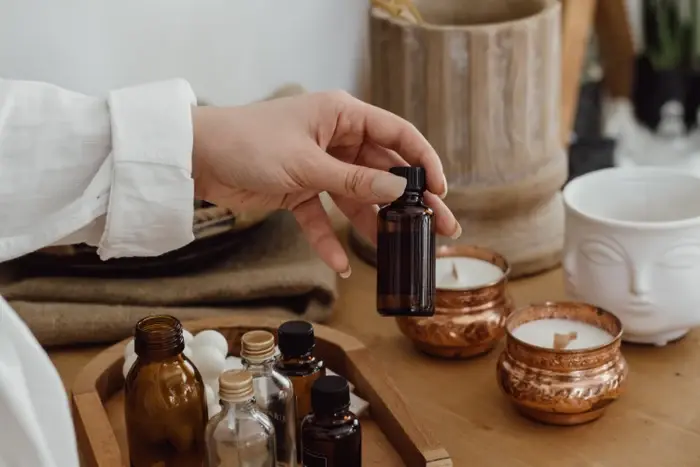
What Are Scent Zones in Home Staging?
Scent zoning is the practice of using different, subtle fragrances in different areas of a home to reinforce the feeling you want buyers to experience in each space.
Think about how different rooms are supposed to feel.
A kitchen should feel clean and fresh. A primary bedroom should feel peaceful and comfortable. A bathroom might benefit from the feeling of a relaxing spa.
The right scent can quietly reinforce those impressions.
The key word, however, is quietly.
Buyers shouldn’t walk into a room and immediately think, “I smell lavender.” Ideally, the scent simply contributes to an overall impression that the home feels fresh, comfortable and well cared for.
Why Scent Matters When Selling a Home
Professional home staging is designed to help potential buyers form an emotional connection with a property.
Furniture establishes scale. Lighting creates warmth. Art and accessories establish personality. Thoughtful styling helps buyers imagine what everyday life could look like inside the home.
Scent can contribute to that same emotional experience.
It can also work against a seller when it isn’t handled carefully.
Strong air fresheners, pet odors, cooking smells, cigarette smoke or competing fragrances can distract buyers from an otherwise beautifully presented property. An overpowering fragrance may even make someone wonder whether the seller is attempting to cover up another odor.
That’s why scent should be treated like every other element of professional staging: intentional, restrained and appropriate for the space.

How to Use Scent in Different Rooms
The idea behind scent zoning isn’t to make every room smell noticeably different. It’s to select fragrances that naturally complement the purpose and atmosphere of each space.
Kitchen & Dining Areas
Fresh, bright scents tend to work naturally in kitchens.
Think subtle notes of:
- Meyer lemon
- Citrus
- Rosemary
- Basil
- Other fresh herbs
In Sacramento, these fragrances can feel especially appropriate because they complement the region’s citrus trees, gardens and farm-to-fork culture.
You don’t necessarily need an artificial fragrance, either. A bowl of fresh lemons or a small pot of rosemary can add visual interest while providing a very light natural scent.
The kitchen should ultimately feel fresh and clean, not fragranced.
Living & Family Rooms
Living spaces should feel comfortable and welcoming without having an obvious fragrance.
Subtle scents such as soft linen, green tea or light woody notes can complement the neutral furnishings, natural materials and layered textures commonly used in home staging.
Because these are often some of the largest rooms buyers experience, restraint is particularly important.
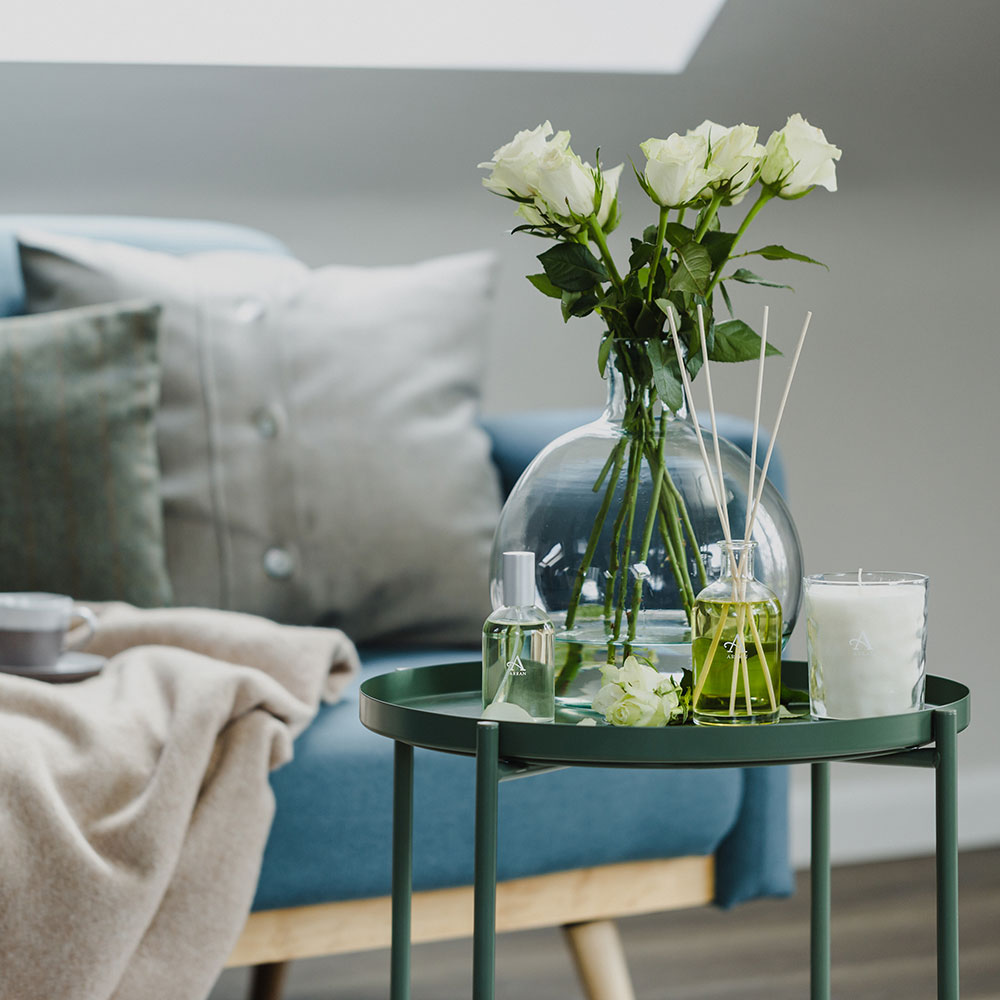
Primary Bedroom
The primary suite is one of the best places to create a feeling of relaxation.
Very light lavender, cedar or chamomile notes can complement soft bedding, layered textiles and warm lighting to reinforce that retreat-like atmosphere.
The fragrance should remain in the background. The beautifully staged room should still be what buyers remember.
Bathrooms
Bathrooms are naturally associated with cleanliness and wellness, making subtle spa-inspired scents a logical choice.
Eucalyptus, mint or tea-inspired fragrances can create a fresh impression without making the bathroom smell like cleaning products.
Natural touches can work particularly well here. For example, a small eucalyptus bundle can provide texture and greenery in addition to a subtle scent.
Patios & Outdoor Living Spaces
Sacramento’s climate makes outdoor living an important selling feature for many homes.
Instead of artificial fragrance, consider naturally aromatic plants such as:
- Lavender
- Rosemary
- Jasmine
They can contribute to the sensory experience while also functioning as attractive landscaping or staging elements.
The Most Important Rule: Less Is More
When it comes to scent and home staging, stronger isn’t better.
A buyer should never be overwhelmed by fragrance when entering a home.
Some buyers may also have allergies or sensitivities, which makes subtlety especially important. In some properties, the best scent strategy may simply be no added fragrance at all.
Before adding anything, sellers should focus on eliminating unpleasant odors at their source.
That means:
- Deep cleaning the home
- Washing fabrics and bedding
- Addressing pet odors
- Emptying trash
- Cleaning carpets when necessary
- Ventilating rooms
- Identifying moisture or mildew issues
Fragrance shouldn’t be used to cover up a problem.
A clean home with fresh air will almost always create a better impression than a home filled with plug-ins, sprays or candles.
Avoid the “Fresh-Baked Cookies” Trap
Sellers have heard versions of this advice for decades: bake cookies before an open house so the property smells like home.
The intention makes sense, but today’s approach to sensory staging is more nuanced.
A noticeable food scent can be distracting, and what feels comforting to one buyer may be unpleasant to another.
Instead of trying to make buyers consciously notice a fragrance, focus on creating an environment that simply feels good to be in.
That distinction is important.
Great staging doesn’t scream for attention. Every element works together to make the property feel natural, polished and inviting.
Scent Is Only One Layer of the Staging Experience
Scent won’t compensate for poor furniture placement, clutter, inadequate lighting or a room that doesn’t photograph well.
Instead, think of it as one of the finishing layers.
At Premiere Home Staging & Design, the goal of staging is to help buyers understand and emotionally connect with a property’s potential. From furniture scale and placement to artwork, lighting, textiles and accessories, every decision contributes to how buyers experience the home.
For Sacramento-area sellers, those details can be especially important when competing for attention online and during in-person showings.
A beautifully staged home should photograph well enough to earn the showing—and feel just as impressive when buyers walk through the door.
Creating a Memorable First Impression
Buyers may tour several homes in a single day. They won’t remember every sofa, throw pillow or accessory.
They will remember how a home made them feel.
That’s what makes sensory details so interesting for home staging.
A fresh kitchen, relaxing primary suite, spa-like bathroom and inviting outdoor space can work together to create an experience that feels cohesive from room to room.
Scent is only one piece of that experience, but when handled carefully, it can support everything else professional staging is designed to accomplish.
If you’re preparing to sell a home in Sacramento, Rocklin, Roseville, Folsom, Granite Bay, El Dorado Hills or the surrounding area, Premiere Home Staging & Design can help create a staging strategy tailored to your property, target buyer and local market.
Ready to prepare your home for market? Contact Premiere Home Staging & Design to schedule a consultation or request a staging quote.
Frequently Asked Questions
Should you use scents when staging a home?
Subtle scents can complement a home’s presentation, but they should never be overpowering. Focus first on cleanliness and eliminating unwanted odors. If fragrance is used, keep it light and appropriate for the room.
What scents are best when selling a home?
Fresh, understated scents generally work best. Citrus or herbs can complement kitchens, while subtle lavender or cedar may work in bedrooms and eucalyptus can create a spa-inspired feeling in bathrooms.
Can strong fragrances turn buyers away?
Yes. Buyers may have allergies, sensitivities or simply different fragrance preferences. Heavy candles, plug-ins and sprays can also make buyers wonder whether another odor is being concealed.
Should every room have a different scent?
Not necessarily. Scent zoning is about creating subtle sensory distinctions, not filling every room with fragrance. Some rooms may not need any added scent at all.
What should a home smell like during a showing?
Ideally, clean and fresh. Buyers should notice the home itself rather than a particular fragrance. If they leave remembering how welcoming and comfortable the property felt rather than what it smelled like, the scent strategy did its job.