
October through December is when most Sacramento sellers pump the brakes. Fewer listings hit the MLS, open houses slow down, and the common refrain is “wait until spring.” That thinking leaves money on the table. The Q4 window in Sacramento, West Sacramento, and surrounding communities is one of the strongest opportunities for sellers who prepare their homes with professional staging. Here’s why, how, and when to act.
Key Takeaways
- October, November, and December are strategic months to stage in the greater Sacramento area. Inventory drops, competition among sellers thins out, and buyers still in the market tend to be motivated by year-end deadlines (job relocations, tax advantages, school calendars).
- Staged homes sell three times faster than non-staged homes. In our region, Premiere Home Staging & Design’s staged properties average approximately 13 days on market, compared to roughly 38 days for unstaged listings.
- Clients who invest in professional staging often see about a 5× return on their staging investment, even in late Q4 when the market traditionally softens.
- In 2024, Premiere Home Staging & Design contributed to over $196 million in total sales across Sacramento, El Dorado, and Placer counties, spanning all four quarters of the year.
- Seasonal styling (warm modern interior palettes, layered lighting, subtle greenery) makes listings feel inviting without alienating buyers of different backgrounds. Neutral decor and styling create a cohesive look that photographs well in lower winter light.
- If you’re a Sacramento-area seller or agent preparing a Q4 listing, request a staging quote before the year-end rush.

Why Fall & Winter Home Staging in Sacramento Delivers Exceptional ROI
Home staging is the strategic process of preparing a property for sale by arranging furniture, lighting, and decor to make a property appealing to the highest number of potential buyers. In spring and summer, that appeal comes partly for free: long daylight hours, lush landscaping, and a packed buyer pool. In Q4, sellers have to earn that appeal. Staging is how they do it.
Sacramento’s Q4 market shift
Sacramento’s real estate cycle peaks between April and July, when days on market often sit between 25 and 35 days and sale-to-list ratios run near or above 100%. By November and December, the picture changes. According to the Sacramento Association of REALTORS® November 2025 report, days on market climbed to about 40 days in November 2025, a 33% increase from November 2024’s roughly 30 days. Active inventory in November 2025 was 14.5% higher year-over-year but had already dropped nearly 15% from October.
That combination of rising DOM and falling inventory creates a specific dynamic: fewer homes are competing for attention, but the homes that do compete need to work harder to convert showings into offers. Listings in September and October tend to hold sale-to-list ratios of 97% to 100%, while December and January listings often sell for 3% to 7% less than spring peaks and take 30% to 50% more days to close.
Staging directly counteracts that seasonal drag. A home listed unstaged in November that sits for 50+ days will likely need a 2% to 5% price reduction. If the staging cost runs 1% to 3% of home value but prevents that reduction, the seller nets more money than they would have by waiting.
Staged vs. unstaged: a concrete contrast
Consider two comparable 3-bedroom homes in West Sacramento, both listed in November at $550,000.
| Factor | Unstaged listing | Staged listing |
|---|---|---|
| Days on market | 45–60 days | ~13 days |
| Price reduction needed | 3–5% ($16,500–$27,500) | None |
| Staging cost | $0 | ~$3,000–$5,000 |
| Net difference | –$16,500 to –$27,500 | –$3,000 to –$5,000 |
The staged home in this example nets $11,500 to $24,500 more, even after subtracting the staging fee. That is the 5× return in practice: a $3,000 staging investment contributing to $15,000 or more in preserved proceeds.
Premiere Home Staging & Design staged approximately 190 homes in 2024 across Sacramento, El Dorado, and Placer counties, contributing to total sales exceeding $196 million. Those staged homes averaged approximately 13 days on market. The unstaged Sacramento-area average during the same period hovered around 38 days.
Buyer psychology in cooler, darker months
Most buyers start their home search online. In October through December, Sacramento daylight hours drop and interior rooms photograph darker. Unstaged or cluttered spaces look flat and uninviting in MLS photos taken under overcast skies. Staging helps buyers visualize themselves living in the property by replacing visual noise with clean sightlines, warm lighting, and move-in-ready rooms.
Fall and winter buyers tend to be more purposeful than spring browsers. Many are relocating for work, closing before year-end for tax reasons, or adjusting to school calendars. They view fewer homes, compare listings more carefully online, and make faster decisions when a home feels right. According to market observers, overpriced or poorly presented listings in Sacramento sit longest, while well-prepared homes continue to command seller leverage even in a market with only about 2.4 months of supply.
The misconception that sellers should “wait until spring” ignores carrying costs. Every month a home stays off the market costs the owner property taxes, utilities, maintenance, insurance, and lost opportunity on the equity. In Sacramento County, that can easily run $2,000 to $4,000 per month. Four to five months of carrying costs (November through March) can exceed the total cost of staging the home and listing it in Q4.
How Premiere Stages Sacramento Homes for Maximum Q4 Impact
Our Rocklin-based team works across Sacramento, El Dorado, and Placer counties, from Midtown condos to suburban family homes in Roseville and estate properties in El Dorado Hills. The approach for each property varies by neighborhood, price point, and whether the home is vacant or occupied.
Vacant home staging process
Vacant property staging transforms an empty space into a place buyers can emotionally connect with. An empty room has no scale reference; buyers cannot tell if their furniture will fit, and photos of blank walls generate minimal engagement online. Staging a vacant property into a desirable home follows a specific sequence:
- Pre-listing consultation. We walk the property (on-site or virtual) and assess layout, natural light, architectural features, and target buyer demographics. Pre-listing consultations help identify necessary home improvements, from paint touch-ups to hardware swaps.
- Design plan. We select furnishings, art, rugs, and accessories from our in-house inventory, matched to the home’s style and price band.
- Installation. Our crews install all pieces, typically in a single day for homes under 3,000 square feet.
- Photography timing. We coordinate with the listing agent and photographer so the home is shot within 24 to 48 hours of staging, capturing rooms at peak presentation. Investing in professional photography is essential for strong online listings, and we optimize staging to photograph well.
- De-staging. Once the home goes pending (or closes), we retrieve all inventory.
For specific neighborhoods, style and inventory adjust. A staged home on Lake Range Way in Roseville calls for a different palette and furniture scale than a listing on Park Dr in El Dorado Hills. In West Sacramento and Rancho Cordova, we often work with newer construction floor plans that benefit from contemporary furniture and clean lines. In East Sacramento’s older homes, staging may lean toward transitional pieces that complement original millwork.
Occupied home staging and pre-listing consultations
For occupied homes, effective home staging involves decluttering and depersonalizing personal spaces so buyers see the house rather than the current owner’s life. During a pre-listing consultation, our team advises homeowners on what to keep, what to store, and where to add select rental pieces. Pre-listing consultations provide tailored staging strategies for each home, and pre-listing consultations can increase home sale prices by removing visual objections before the first showing.
Diana Mahoney is noted for her exceptional design partnership with clients and agents, and our team’s approach reflects that standard: we work collaboratively, not prescriptively, with homeowners who want to stay in their homes during the sale process.
Luxury and modest homes alike
While we specialize in luxury home staging, we also scale our services for more modest properties. Luxury home staging enhances property appeal and value by pairing high-end furnishings with architectural highlights like high ceilings, open-concept kitchens, and outdoor entertaining areas. For entry-level or mid-range homes, we can stage high-impact rooms only (living room, kitchen, primary bedroom) and still produce the 3× faster sale and 5× ROI that our clients expect. Effective home styling enhances both beauty and functionality, regardless of price point.
Our logistical advantage in Q4: we maintain in-house inventory at our Rocklin headquarters. We do not rely on third-party furniture rental companies with holiday-season backlogs. That means we can meet tight Q4 timelines. A home can reach the market before or right after Thanksgiving, when holiday downtime drives additional online browsing.
Seasonal Styling Strategies That Sell in October, November, and December
This is the practical layer: what Q4 staging actually looks like, room by room, for Sacramento homes.
Living room. Neutral sofas anchor the space. We layer textured rugs and warm accent pillows in tones like cognac, olive, and charcoal. Subtle seasonal greenery (eucalyptus stems, fresh-cut branches) replaces the summer flower arrangements from August listings. The goal is a space that feels cozy and current without reading as “holiday themed.” Home styling includes selecting cohesive materials and finishes so each room flows into the next.
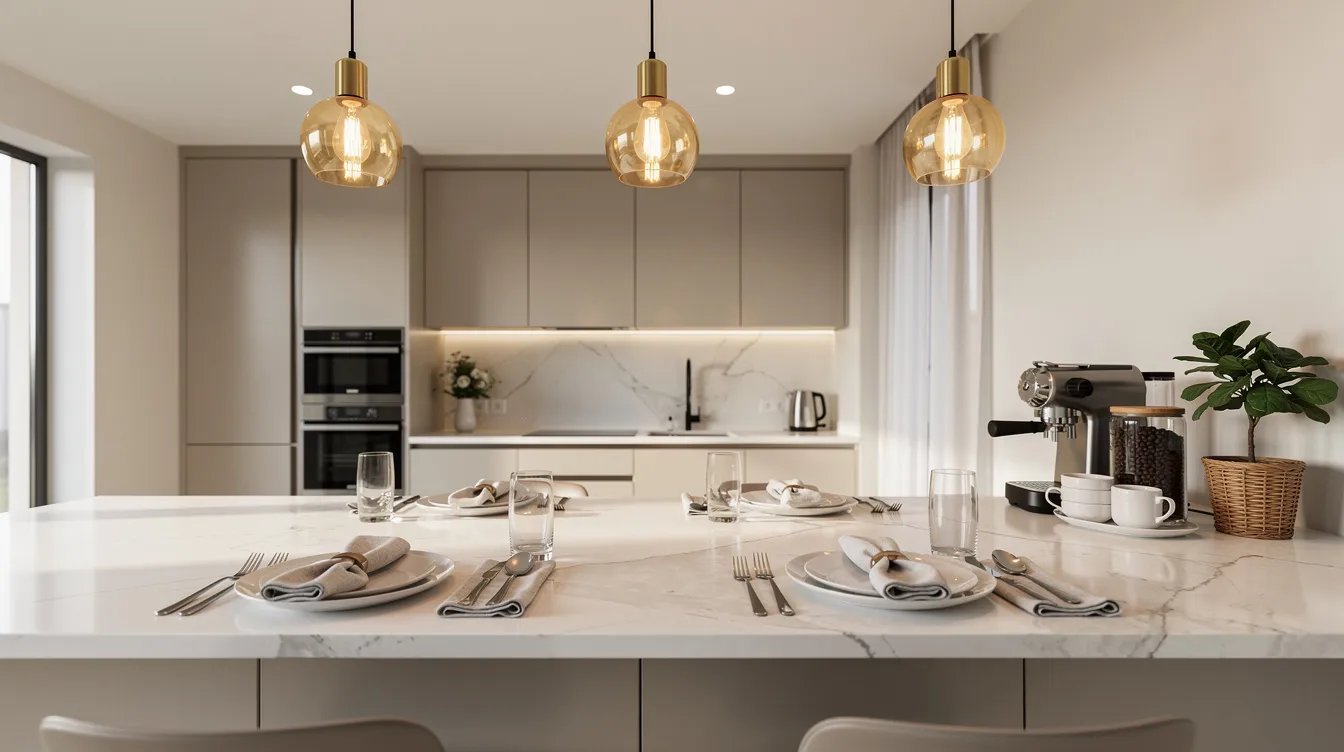
Kitchen and dining. A simple table setting for four to six people helps buyers imagine hosting. Understated centerpieces (a wood bowl with seasonal fruit, a low arrangement of candles) keep the focus on countertops and cabinetry. A styled coffee or bar station with a few curated accessories creates a lifestyle vignette. Buyers browsing listings on a phone page through photos quickly; each image needs a clear focal point.
Bedrooms. Hotel-style bedding in white or soft neutrals, layered with a textured throw at the foot of the bed, creates a retreat feeling during darker, cooler evenings. Maximizing natural light is critical for staging homes in bright climates, so we keep window treatments minimal and add supplemental lamps (bedside, floor) to compensate for Sacramento’s shorter winter days. Soft lighting at multiple heights makes bedrooms photograph three-dimensionally rather than flat.
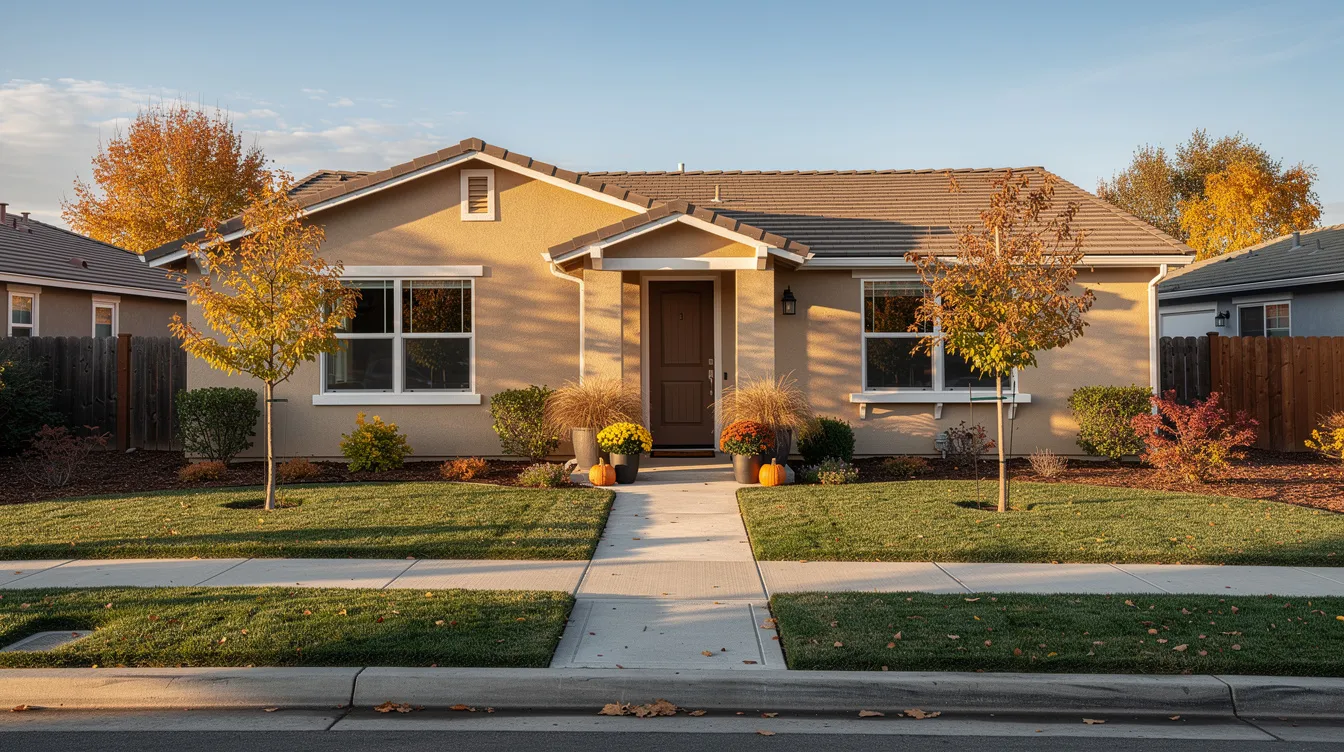
Curb appeal. Sacramento’s mild winters are an advantage here. Unlike markets with snow and ice, homes in the greater Sacramento area can still present strong exteriors in November and December. Good home staging enhances curb appeal to create strong first impressions. We recommend pressure-washed entries, seasonal planters with drought-resistant landscaping and winter-blooming plants, and updated front-door hardware or paint. A fresh doormat and clean porch lighting go further than most sellers expect.
A recent example. In November 2025, we staged a 3-bedroom, 2-bath home in West Sacramento. The property had been on the market briefly without staging and received no offers. After staging with a warm, modern interior palette (linen sofa, walnut-tone dining set, layered lighting, and seasonal greenery throughout), the listing was re-photographed and relaunched. It went pending within 11 days. The staging cost was under $4,000. The home closed at its full list price of $485,000, avoiding the 3% to 5% reduction that comparable unstaged listings in the same zip code required in November.

Planning, Pricing, and Getting Started With Q4 Staging
Timing matters more in Q4 than in any other quarter. Holiday schedules, photographer availability, and buyer travel patterns compress the window. The ideal lead time for October through December staging in Sacramento is 2 to 4 weeks before your target list date, with staging installation at least 1 to 2 weeks before professional photography.
How a pre-listing consultation works
Whether on-site or virtual, the consultation covers:
- Room-by-room assessment of what stays, what goes, and what needs repair
- A prioritized punch list (paint colors, flooring fixes, hardware updates, lighting swaps)
- Recommendations for furniture arrangement or rental pieces
- A customized staging or styling plan with timeline and cost estimate
A full home renovation can take about two years. A pre-listing consultation and targeted staging plan takes days. The difference in ROI per dollar spent is not close.
Pricing factors
We do not publish flat rates because every home is different. The factors that determine cost include:
| Factor | Impact on price |
|---|---|
| Square footage | Larger homes require more inventory |
| Number of rooms staged | Full-home vs. high-impact rooms only |
| Vacant vs. occupied | Vacant homes need all furnishings; occupied may need only select pieces |
| Level of luxury inventory | Designer-grade vs. standard furniture and accessories |
| Timeline | Rush installations in December may involve additional coordination |
For most Sacramento-area homes, staging costs run between 1% and 3% of home value. That investment often protects against the far higher cost of a price reduction in November or December. Staging offers about a 5× return on investment, which means a business decision to stage is one of the few pre-sale investments that reliably pays for itself and more.
Holiday scheduling tips
- Before Thanksgiving. Listings that go live the week before Thanksgiving catch buyers browsing during the long holiday weekend. We can find installation windows in early to mid-November for homes in Sacramento, West Sacramento, El Dorado Hills, Roseville, and surrounding communities.
- Between Thanksgiving and Christmas. Showings slow around December 23 to 26 but pick up between Christmas and New Year’s. Buyers relocating for January start dates are actively searching during this window.
- January relaunch. If a home is staged in late November, the staging can remain through January, giving the listing a head start on the early-spring wave.
Professional home staging offers substantial advantages in competitive markets, and Q4 is where that advantage is most visible. Fewer sellers stage their homes in fall and winter, which means staged listings stand out on every page of search results.
Ready to get started? Contact Premiere Home Staging & Design by phone or email for a quote. We serve Sacramento, West Sacramento, El Dorado Hills, Roseville, Rancho Cordova, and all surrounding communities across Sacramento, El Dorado, and Placer counties.

FAQ
These questions address common October through December staging concerns not covered in detail above. Answers reflect Premiere Home Staging & Design’s experience across Sacramento, El Dorado, and Placer counties.
Is it really worth staging if I list my Sacramento home right before the holidays?
Yes. Staged homes sell three times faster than unstaged homes, and that speed advantage matters more in Q4, when every extra week on market increases the risk of a price reduction. Serious buyers remain active through the holidays. Many want to close before year-end for job relocations, school enrollment, or tax reasons. Staging ensures a home photographs and shows at its best during shorter daylight hours, which is when most buyers are evaluating listings online. With average days on market for staged homes at approximately 13 days, a well-staged Q4 listing can go pending before many sellers even finish debating whether to wait until spring.
How much notice do you need to stage a home in October, November, or December?
Two to four weeks is ideal. That gives us time to consult, design, source any custom pieces, install, and coordinate with the listing photographer. For vacant homes in Sacramento and West Sacramento, we can sometimes accommodate faster timelines because our Rocklin warehouse maintains ready-to-deploy inventory. Contact us as soon as your listing date is roughly set so we can reserve inventory and lock in installation and photography dates during the busy holiday season.
Can I keep my holiday decorations up if you stage my occupied home?
Modest, neutral holiday decor is usually fine. A simple wreath, a few candles, or a small seasonal arrangement will not alienate buyers. Large-scale, denomination-specific, or heavily personalized displays should be scaled back. During a pre-listing consultation, we help homeowners decide what to keep and what to temporarily store so the space appeals to the widest pool of buyers. The principle is the same as all staging: the home’s features are the star, not the decor.
Do you only offer luxury staging, or can you work with a smaller budget?
We specialize in luxury home staging and modern interior styling, but we regularly create tailored plans for more modest properties and budgets. Staging can help style both vacant and occupied homes effectively at multiple price points. For sellers who want strong ROI without full-home staging, we recommend a “high-impact rooms only” strategy: living room, kitchen, and primary bedroom. Those three rooms drive the majority of buyer emotional response in listing photos and showings. View our staging portfolio to see examples across different price bands and property types.
Does staging still matter if the Sacramento market is already competitive?
It does. Even in a market with only 2.4 months of supply, buyers compare listings side by side online and make fast decisions based on photos. Staging helps a home stand out, reduces perceived objections (empty rooms, dated furniture, clutter), and can be the factor that drives multiple offers or stronger final terms. Home staging aims to make a property appealing to the highest number of potential buyers, and in a competitive Q4 market, that reach is the difference between a single offer at asking price and three offers above it.